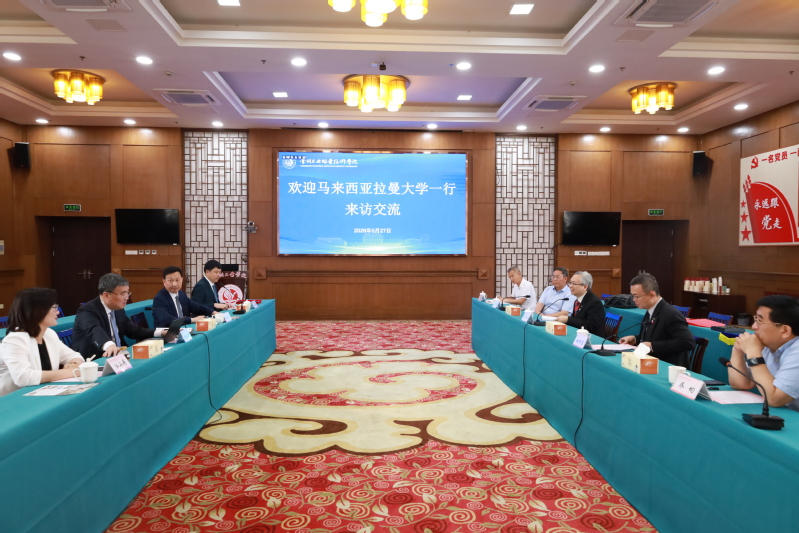
On May 27, Academician Ewe Hong Tat, President of Universiti Tunku Abdul Rahman(UTAR) and Dean of the ASEAN Academy of Engineering and Technology(AAET), led a delegation to visit Changzhou Vocational Institute of Industry Technology(CIIT). Xi Haitao, Party Secretary of the university, and Yao Qingwen, Vice‑President, received the guests. Both sides held in‑depth discussions on key themes including international academic credential recognition, two‑way talent development, in‑depth integration of industry and education, and Chinese enterprises’ expansion into ASEAN markets. Multiple consensus points were reached centering on the internationalization of vocational education, talent empowerment for industrial chains and cross‑border industrial cooperation. Representatives from relevant functional departments of the university and partner institutions attended the forum.
At the opening of the forum, Xi Haitao extended a warm welcome to President Ewe Hong Tat and his delegation. He briefly introduced the university’s educational positioning, featured disciplines, achievements in industry‑education integration and international development strategy. He noted that Changzhou, a core manufacturing hub in the Yangtze River Delta, boasts prominent strengths in new‑energy industries and high‑end equipment manufacturing. Numerous high‑quality local enterprises from Changzhou and across Jiangsu Province are accelerating their footprint in ASEAN with robust momentum for overseas expansion. Xi Haitao stressed that vocational education serves as a vital vehicle for supporting industrial global expansion and deepening international cooperation. With years of dedication to vocational education, CIIT has cultivated a large pool of high‑caliber skilled talents tailored to regional industrial demands, building solid foundations for university‑enterprise collaboration and industry‑education integration. The partnership with UTAR marks a key initiative for our university to advance international schooling and support local enterprises in “going global”. Both parties are expected to take this meeting as an opportunity to establish a regular cooperation platform, set up two‑way talent training pathways, and precisely respond to the talent demands of priority sectors such as new‑energy vehicles, cross‑border e‑commerce and smart agriculture. By leveraging education to boost industrial overseas expansion, both sides will pursue win‑win outcomes through “education‑enabled connectivity, talent‑driven empowerment and industrial implementation”.Ewe Hong Tat spoke highly of our university’s educational competence, distinctive industry‑education integration practices and achievements in serving local industrial development. He gave an overview of UTAR’s institutional heritage, disciplinary strengths, talent characteristics and international cooperation framework. Founded by the Chinese community, UTAR is a highly influential comprehensive university in Malaysia. It has long been committed to China‑Malaysia educational exchanges and university‑enterprise collaboration, and has developed well‑established international talent training models and partnership experience. Ewe Hong Tat pointed out that UTAR will fully align with the high‑quality vocational education resources of CIIT and the robust industrial resources of Jiangsu Province. It will strive to build a full‑chain cooperation system covering mutual recognition of academic credentials, joint two‑way talent cultivation and deep‑rooted industry‑education integration. Drawing on complementary strengths of both sides, UTAR will help Chinese enterprises enter ASEAN markets in a cost‑effective and high‑quality manner, and consolidate talent and cooperative foundations for Chinese businesses operating in Southeast Asia.
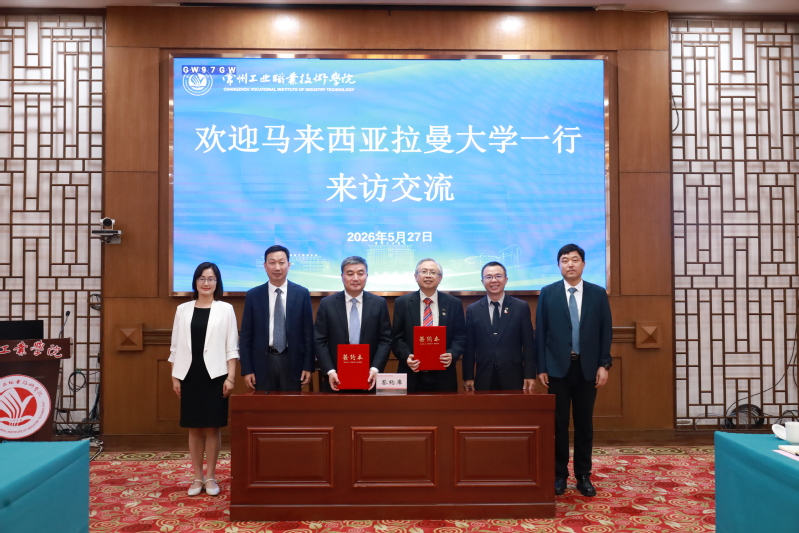
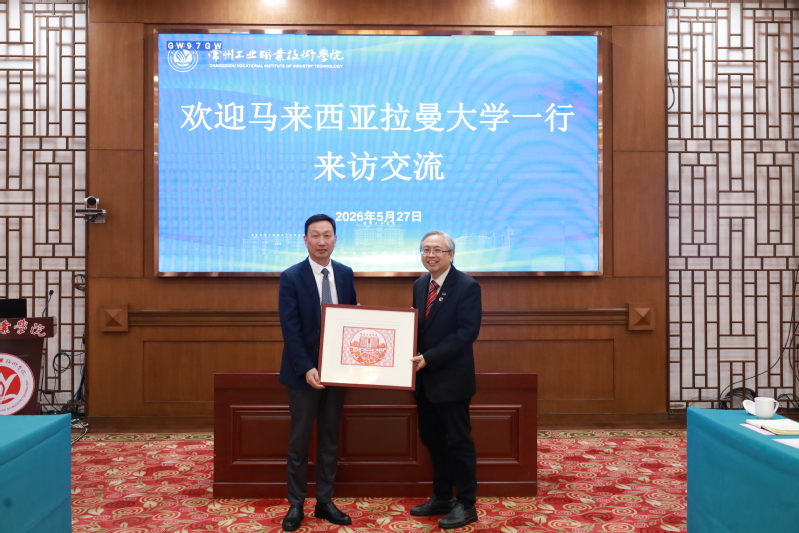
During the interactive session, both sides conducted thorough deliberations on priority areas including international talent training, innovative industry‑education integration and enterprises’ ASEAN‑bound development, and reached preliminary agreements. Innovative academic pathways such as the “3+2 Associate‑Bachelor Articulation Programme” and “Pre‑adaptation Training for Exchange Students” were formulated. Cooperation will be deepened in new‑energy vehicles and cross‑border e‑commerce. The two parties will optimize the two‑way talent development system in compliance with local employment policies to address talent shortages confronting Chinese enterprises operating overseas. Witnessed by representatives from both sides, Xi Haitao and Ewe Hong Tat signed a Memorandum of Understanding.
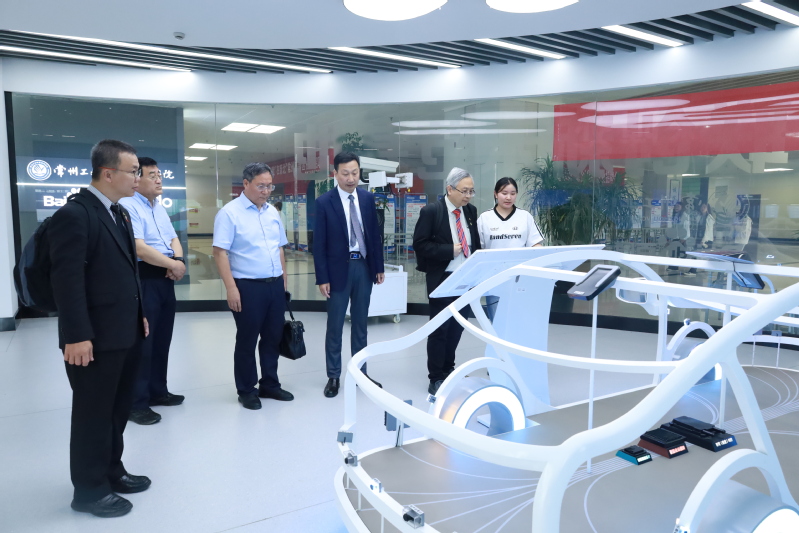
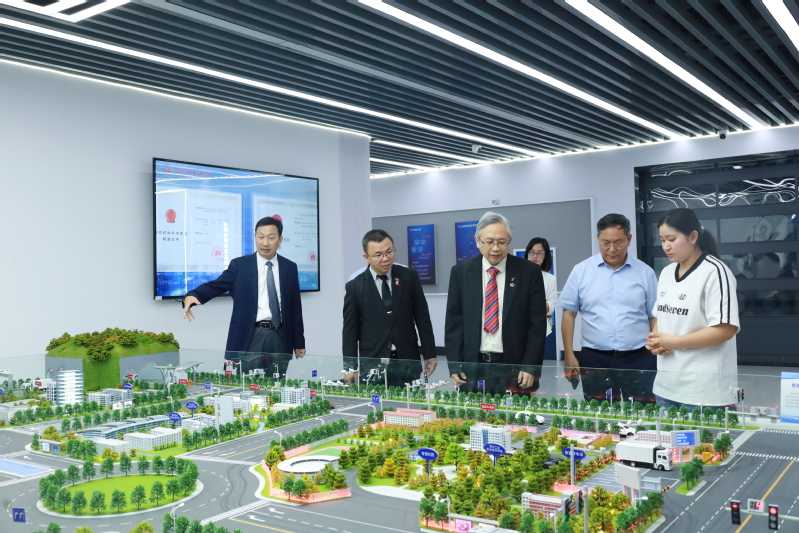
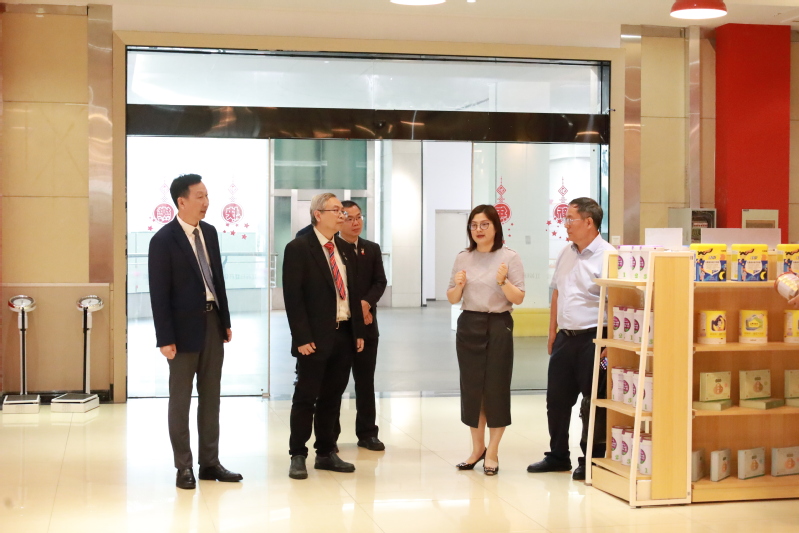
Following the meeting, Yao Qingwen accompanied the delegation on a site tour of the Baidu Intelligent Connected Innovation Demonstration Base and Jiangsu Maternal and Infant Industry College on campus.